
The National LambdaRail (NLR) was a cornerstone high-speed computer network. This was created to support advanced research & education in the United States. It provided scientists, universities, and research institutions with a reliable and flexible infrastructure for transferring large amounts of data quickly and securely. The NLR network offers users to build & manage their own personalized network services. It offered numerous options like committed bandwidth, high-performance internet access as well as private data channels. These services supported demanding research projects, scientific experiments & real-time collaboration across long distances. NLR made it easier for institutions to work together and innovate on a national scale.
1. Network Transport Service
NLR’s Network Transport Services offered a dependable and high-capacity data transfer solution. These services allowed institutions to send and receive massive volumes of information across the country using optical fiber connections. The network was built to be ascendable & malleable. This means it could grow & adjust to each firm’s needs. Institutions could use these networks to connect campuses, research labs as well as partner firms securely. With committed bandwidth, there was no scope of competition for speed or performance. NLR’s network transport services helped deliver the network performance that pros needed to succeed in scientific computing, climate modeling, or medical research.
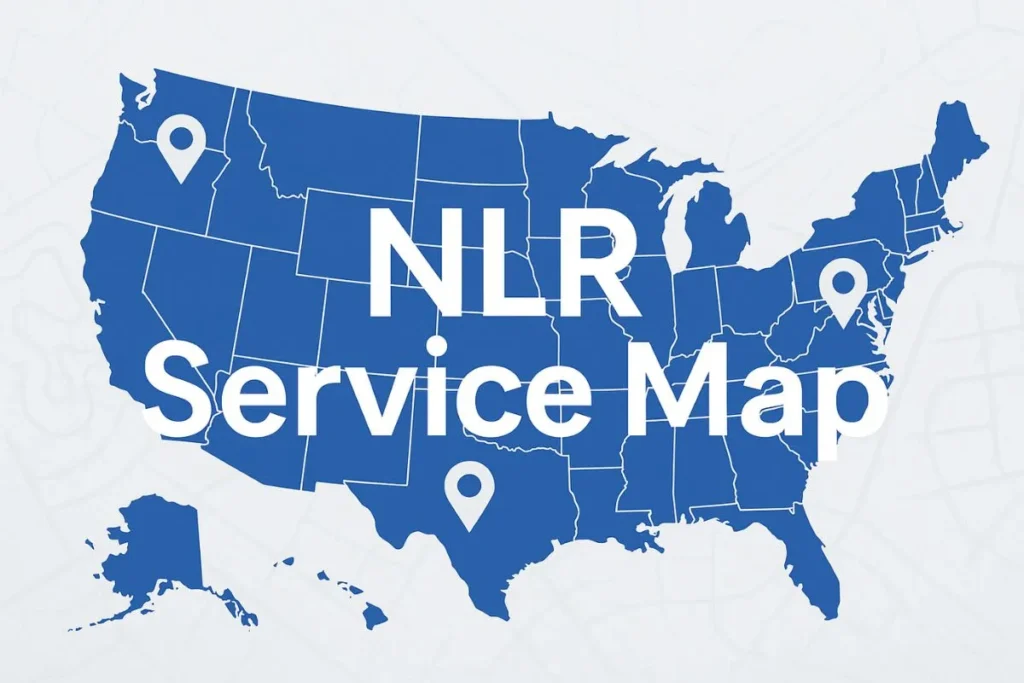
2. Lambda Services
Lambda Services provided users with dedicated optical wavelengths. It is commonly called “lambdas” on the NLR network. Each lambda acted like a private highway for data & offering complete separation from other traffic. This was especially useful for projects that needed high reliability, privacy as well as performance. Organizations could customize their lambdas to suit specific tasks, such as remote sensing or large-scale simulations. Because each organization could control its own data path, they had greater freedom as well as security. These services were ideal for time-sensitive operations & real-time data analysis. In short, Lambda Services gave institutions their own private & high-speed channels on a shared infrastructure.
3. IP Services
The NLR IP Services delivered traditional internet-based connectivity that too at high performance levels. By providing Layer 3 IP-service, NLR allowed firms to access the global internet. They also allow exchange information efficiently with other institutions. The IP Services ensured low latency & high bandwidth which makes them perfect for video conferencing, file transfers & access to online research databases. It also helped researchers stay connected with global peers. Institutions could rely on this to support academic needs, administrative tasks & collaborative tools. This service combined the assistance of internet access with the reliability of NLR’s advanced research network.
4. Wave Services
Wave Services allowed users to lease individual wavelengths across the NLR infrastructure. Unlike Lambda Services, which gave full control to the user, Wave Services offered managed wavelength services. Here NLR helped allocate & provision these wavelengths. These services were flexible as well as could be quickly set up for new projects or temporary needs. Researchers could easily adjust their bandwidth. This depends on the size & duration of the project. This dynamic allocation helped firms manage costs while still gaining high-speed access always. Wave Services gave a perfect balance between performance, flexibility as well as convenience for research teams & university IT departments.
5. Collocation Services
Collocation Services allowed firms to place their own networking tools directly within NLR’s facilities. This close nearness to the core network greatly reduces delays & improve performance for pivotal applications. It also provided a secure, climate-controlled environment with reliable power and support systems. Institutions could install routers, servers & other hardware to directly connect to the NLR backbone. Collocation reduced the need for firms to build their own data centers. This service was especially valuable for universities as well as research labs that needed fast & dependable access to the network infrastructure.

Hello! I’m Kaylani , a professional content writer with a knack for breathing life into words. I have been providing high-quality, research-driven content in Sectors like Technology & Personal Finance . With a background in Finance Tech Management , I specialize in turning complex information into engaging content that resonates with a wide.